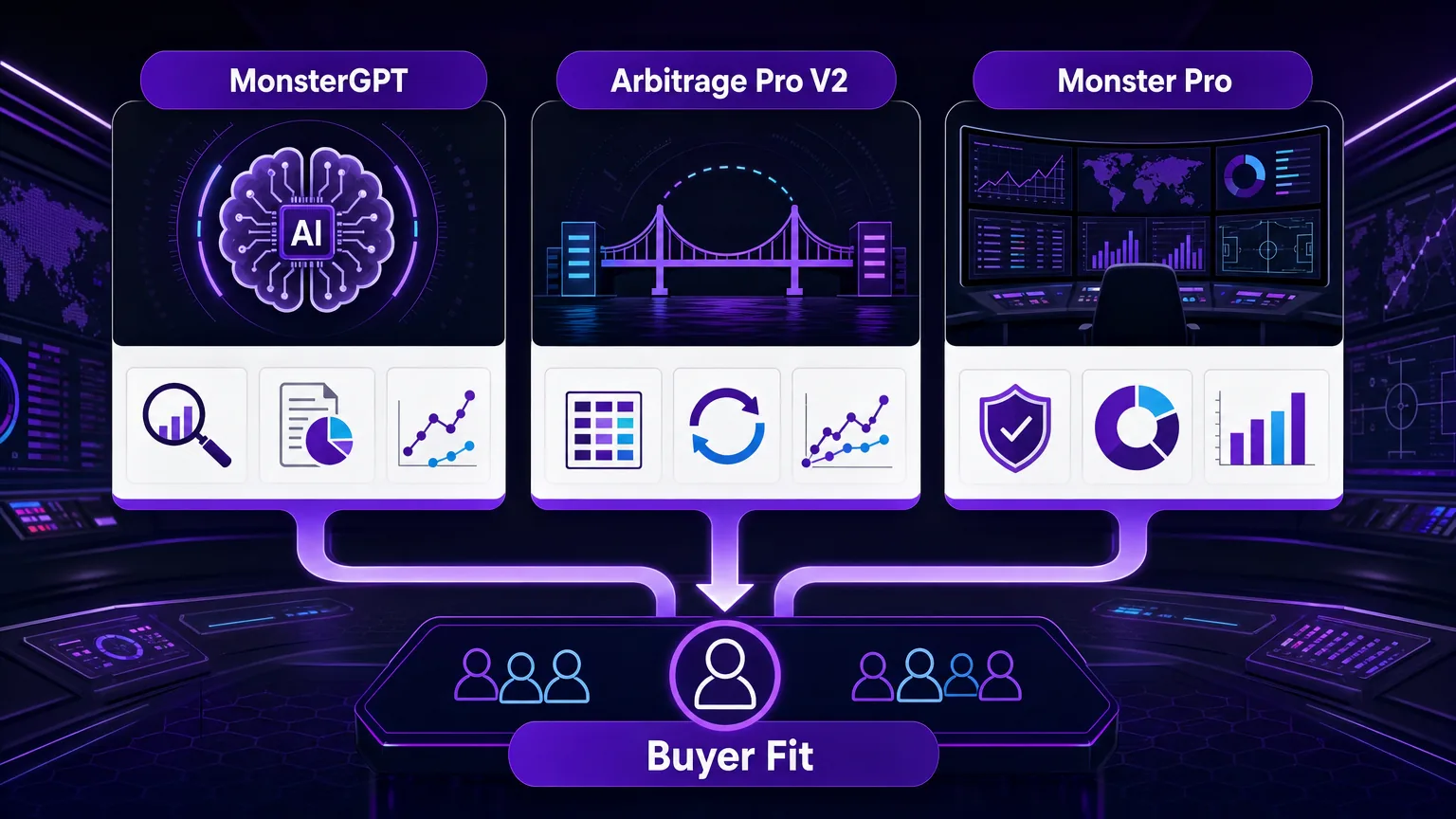
Purple buyer-fit command page

Do not buy the Monster Bet plan that sounds impressive. Buy the one your workflow can prove.

Monster Bet looks simple from the outside: one Whop brand, betting tools, AI, scanners, data, and a paid community. The buying decision is not simple. MonsterGPT, Arbitrage Pro V2, and Monster Pro each solve a different job. If you choose by excitement, you can end up paying weekly for a tool you barely open. If you choose by workflow, the page becomes a filter: what do you need to decide, how soon do you need the first useful result, what proof exists, and what risk still belongs to you after the tool is purchased?

4.4 / 45 reviews
Observed rating
$27 / $34 / $90 weekly
Plan prices
None from this site
Outcome guarantee
Monster Bet logo
Monster Bet
Three products. Three jobs. One weekly bill.
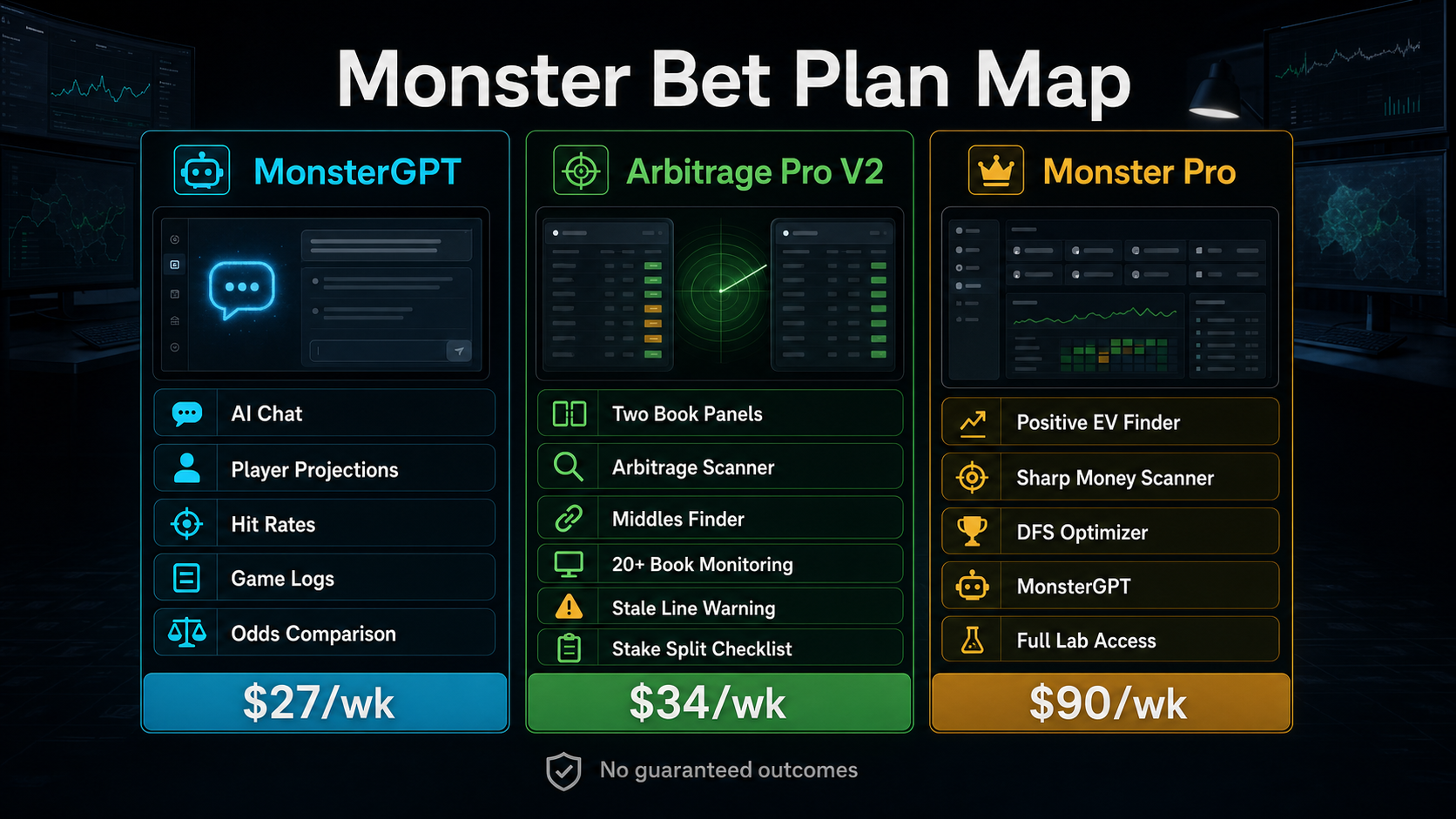
Monster Bet plan map showing MonsterGPT, Arbitrage Pro V2, and Monster Pro feature lanes
MonsterGPT
$27/week

A clearer research question before the next bet.

Arbitrage Pro V2
$34/week

A faster way to see candidate arbs or middles.

Monster Pro
$90/week

A complete betting research stack only if you will use multiple lanes.

Raise

Dream outcome

Know which Monster Bet plan fits the way you actually research bets before a weekly charge starts.

Prove

Likelihood

Use observed Whop facts, exact prices, feature lists, and fit gates instead of hype or fake testimonials.

Shrink

Time delay

Get to a first decision in minutes: MonsterGPT, Arbitrage Pro V2, Monster Pro, or no paid tool yet.

Reduce

Effort and sacrifice

Use checklists, tables, and no-bet gates so the work is visible before the subscription renews.

The real buyer story

The costly belief is that a bigger betting-tool menu automatically creates a better betting decision.

That belief is expensive because it sounds rational. More data sounds safer. More tools sound more serious. More scanners sound more professional. More AI sounds more modern. But a betting workflow can break in places a feature list cannot see.

01

Pressure

The buyer arrives with a half-built betting process.

A sportsbook screen, a stat site, a Discord alert, a spreadsheet, and a memory of the last bet they should have skipped. The problem is not lack of information. The problem is deciding which information gets to change the bet.
02

Wrong page

The lazy lander would shout about winning tools.

That would be easy to write and less useful to read. The better sequence splits Monster Bet into lanes, maps each lane to a buyer problem, separates public facts from outcome claims, and gives the reader a renewal test before the Whop click.

03

Value equation

The dream outcome is a clearer next decision.

The reader does not want to own a betting tool. They want to know when to bet, pass, compare, or wait. Proof raises belief. Fast plan routing reduces delay. Diagrams and checklists reduce effort.

04

Villain

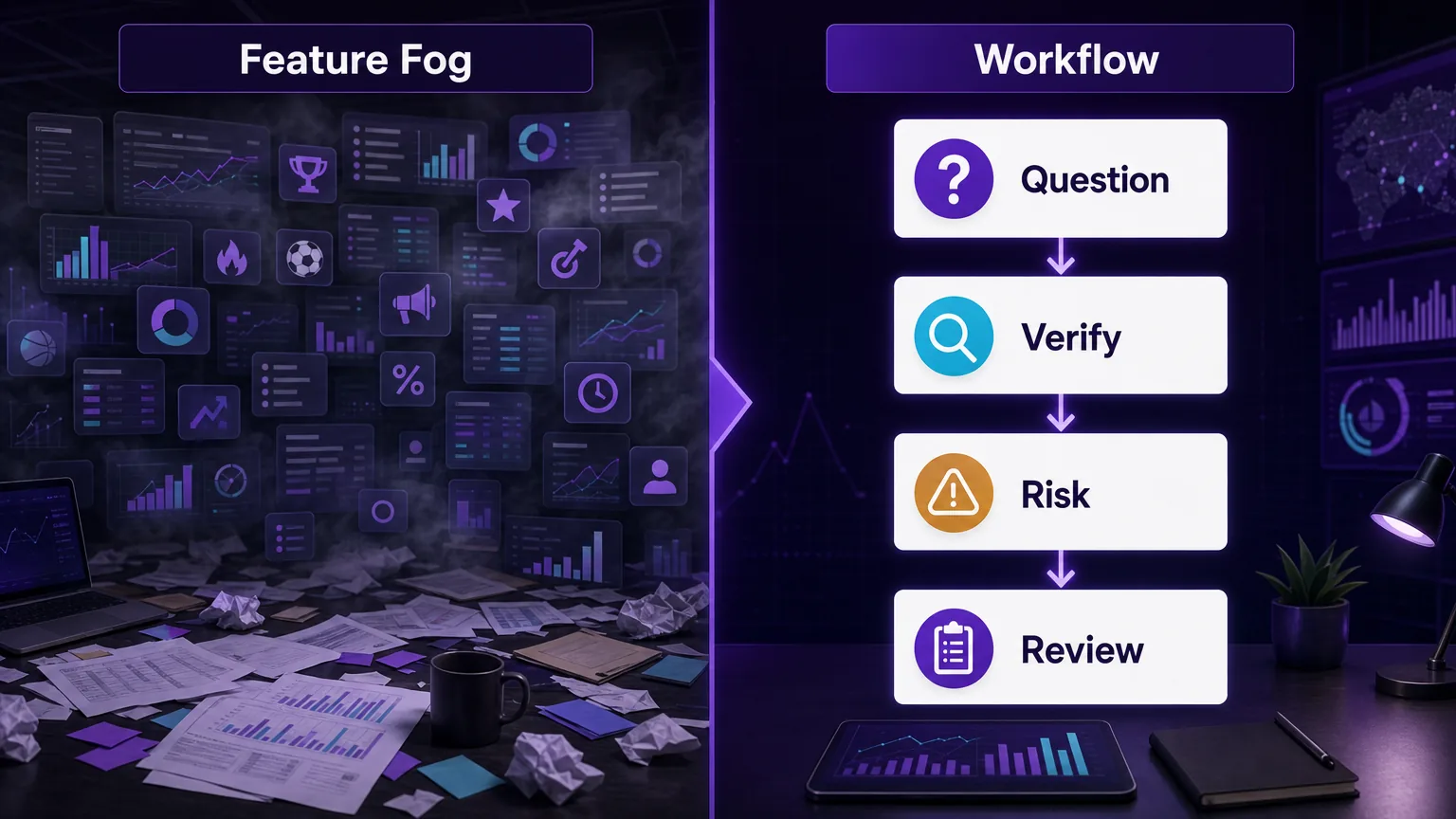
The enemy is feature fog.

Feature fog makes every product sound useful. It makes the broadest plan sound safest. It makes the buyer confuse access with action. Access is not action.

05

Page job

Slow the impulse. Speed up the decision.

The page slows the jump from 'this looks useful' to 'I should pay.' It speeds the path from confusion to one plan, one risk, and one next guide.

Fast self-filter

Which sentence sounds like this week?

Decide below

Decision map

The page works like a whiteboard: lane, belief, proof, risk, next click.

The visual layer is not decoration. Each component answers a different buyer question. If you are unsure which plan fits, start at the top and follow the arrows. If the arrows do not point to a plan, that is useful too. It means the correct decision may be to read more, build the checklist, or skip a weekly subscription until the workflow is mature enough to benefit from tooling.

The three-lane map

Most Monster Bet confusion comes from looking at the brand as a single offer. The lane map separates AI research, arbitrage/middles execution, and full-stack operations so the buyer can self-select faster.

The false-belief breaker

The page attacks three beliefs: more features means better fit, a scanner removes execution risk, and AI confidence equals evidence. Each belief gets a table, a caveat, and a guide route.

The proof boundary

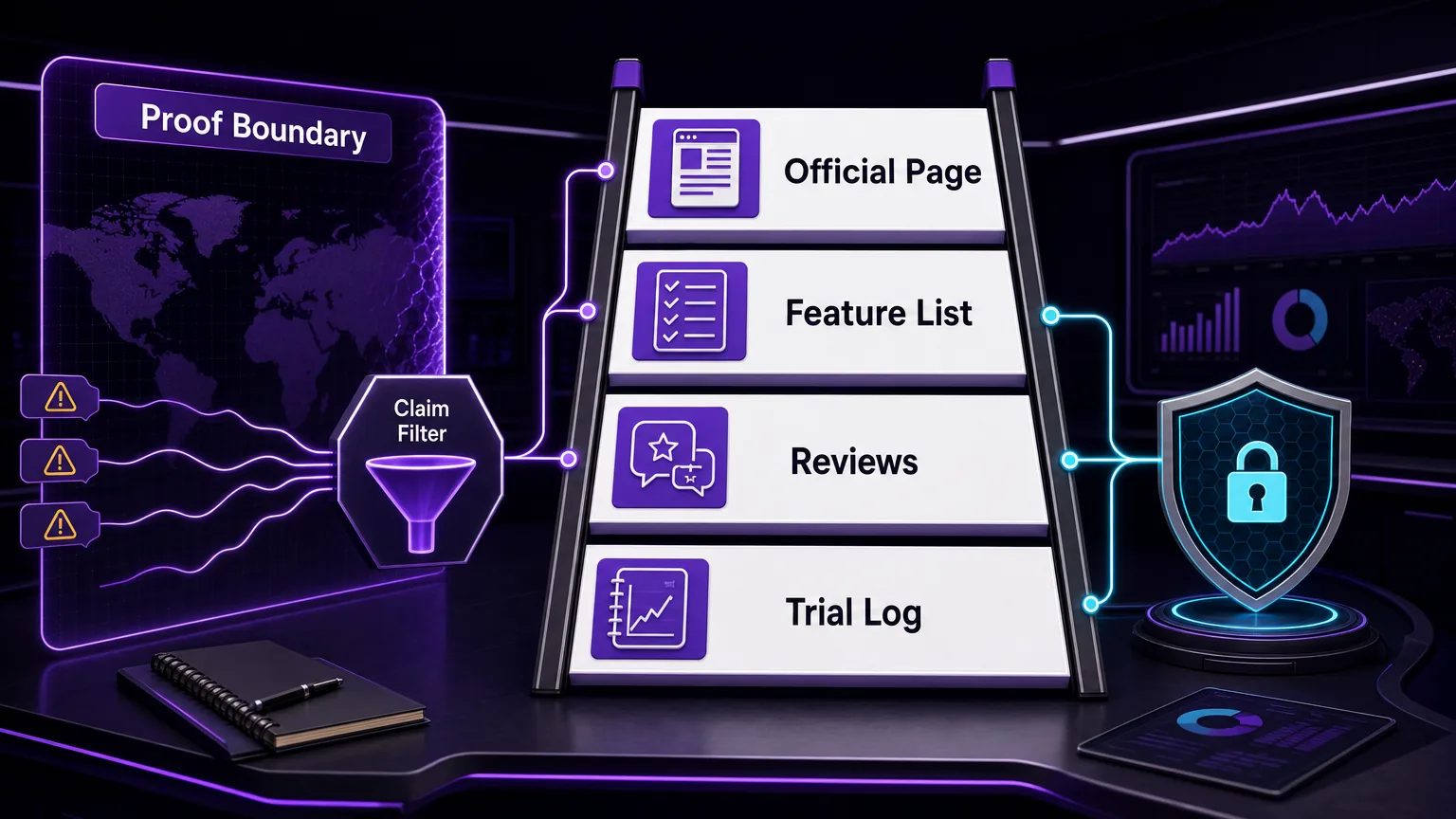
Observed facts are kept separate from outcomes. Prices, review counts, and public features are evidence. Wins, profit, and personal results are not claimed.

The renewal gate

Weekly pricing needs a weekly checkpoint. The renewal gate forces the tool to prove usage before the next charge, which is more useful than a one-time feature comparison.

Infographic 1

Plan fit is a fork, not a ladder.

A common pricing mistake is assuming the expensive plan sits above the cheaper ones in a straight ladder. That is not how this decision behaves. MonsterGPT can be the best plan for a bettor who only needs AI-assisted research. Arbitrage Pro V2 can be the best plan for someone with multiple sportsbook accounts who only cares about arbs and middles. Monster Pro can be the best plan for a full-stack operator. The best plan is the one with the most used workflow, not the highest price.

01

MonsterGPT

$27/week

Messy prop research and scattered questions.

02

Arbitrage Pro V2

$34/week

Finding arbs and middles across multiple books.

03

Monster Pro

$90/week

+EV, sharp money, DFS, AI, lab, and scanner work in one week.

Story beats

The reader is the hero. The product is the map, not the hero.

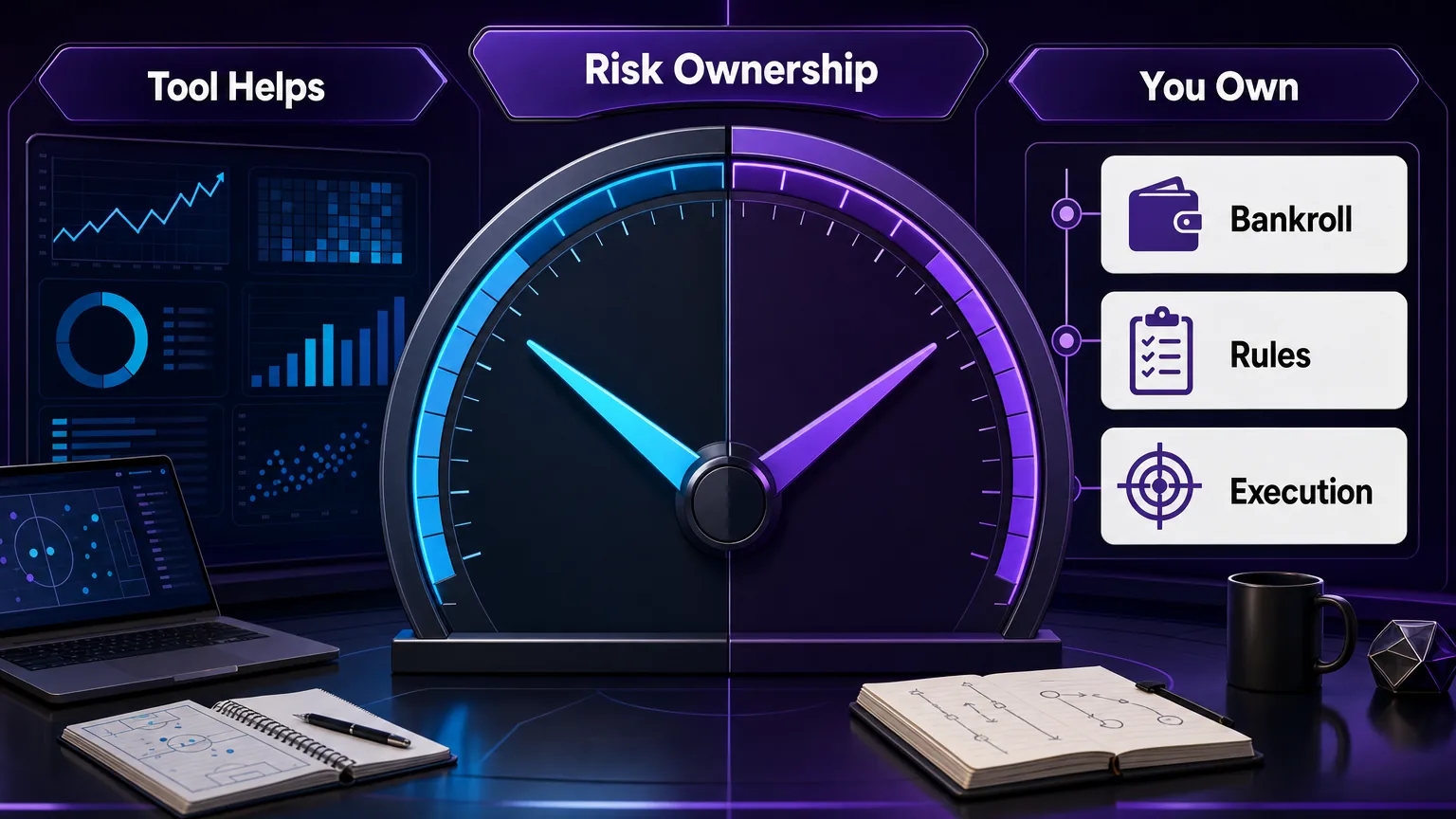
A landing page for betting tools has to resist the vendor-brochure trap. The product can help, but the reader still owns judgment, timing, bankroll, sportsbook rules, and the final decision.

Ordinary world

You already have too many betting tabs open.

A sportsbook screen, a stat site, a Discord alert, a spreadsheet, a half-written prop note, and a memory of the last bet you should have skipped. The problem is not lack of information. The problem is deciding which information gets to change the bet.
The disruption

Monster Bet looks like one brand, but it sells three different jobs.

MonsterGPT is an AI-assisted research lane. Arbitrage Pro V2 is an execution-heavy scanner lane. Monster Pro is the full operations lane. Treat them as one blob and you either overbuy the stack or underbuy the workflow.

The test

A weekly tool has to earn the next seven days.

The right question is not whether the feature list is impressive. The right question is whether the plan changes enough decisions this week to deserve another renewal.

The return

The buyer leaves with a map, not a slogan.

By the bottom of this page, the reader should be able to say: this is my plan, this is why, this is the risk I still own, and this is the article I should read before clicking Whop.

Visual storyboard

The page now reads like a sequence, not a document.

This section is the video-board version of the page. If this became a short walkthrough, these are the frames: confusion, split, warning, and informed click.

1
Frame 1

Feature fog

The buyer sees AI, projections, scanners, DFS, +EV, sharp money, odds comparison, and lab access at once.

2
Frame 2

Lane split

The page separates the offer into MonsterGPT, Arbitrage Pro V2, and Monster Pro instead of letting everything blur.

3
Frame 3

Risk gate

Each lane gets a warning: AI confidence, arb execution, or full-stack overbuying.

4
Frame 4

Next click

The buyer leaves through a guide or one of the three approved Whop links with the right caveat in mind.

A Bunny video module can sit here once there is a real public video ID or embed URL. I am not wiring API credentials into the frontend; the page should embed published media, not expose private keys.

Read full decision story

Visual decision maps

See the Monster Bet decision before you read another paragraph.

Most buyers do not need more hype. They need a picture of the choice. These maps show the three plan lanes, the scanner workflow, the proof boundary, the weekly renewal test, and the places where the buyer still owns the risk.

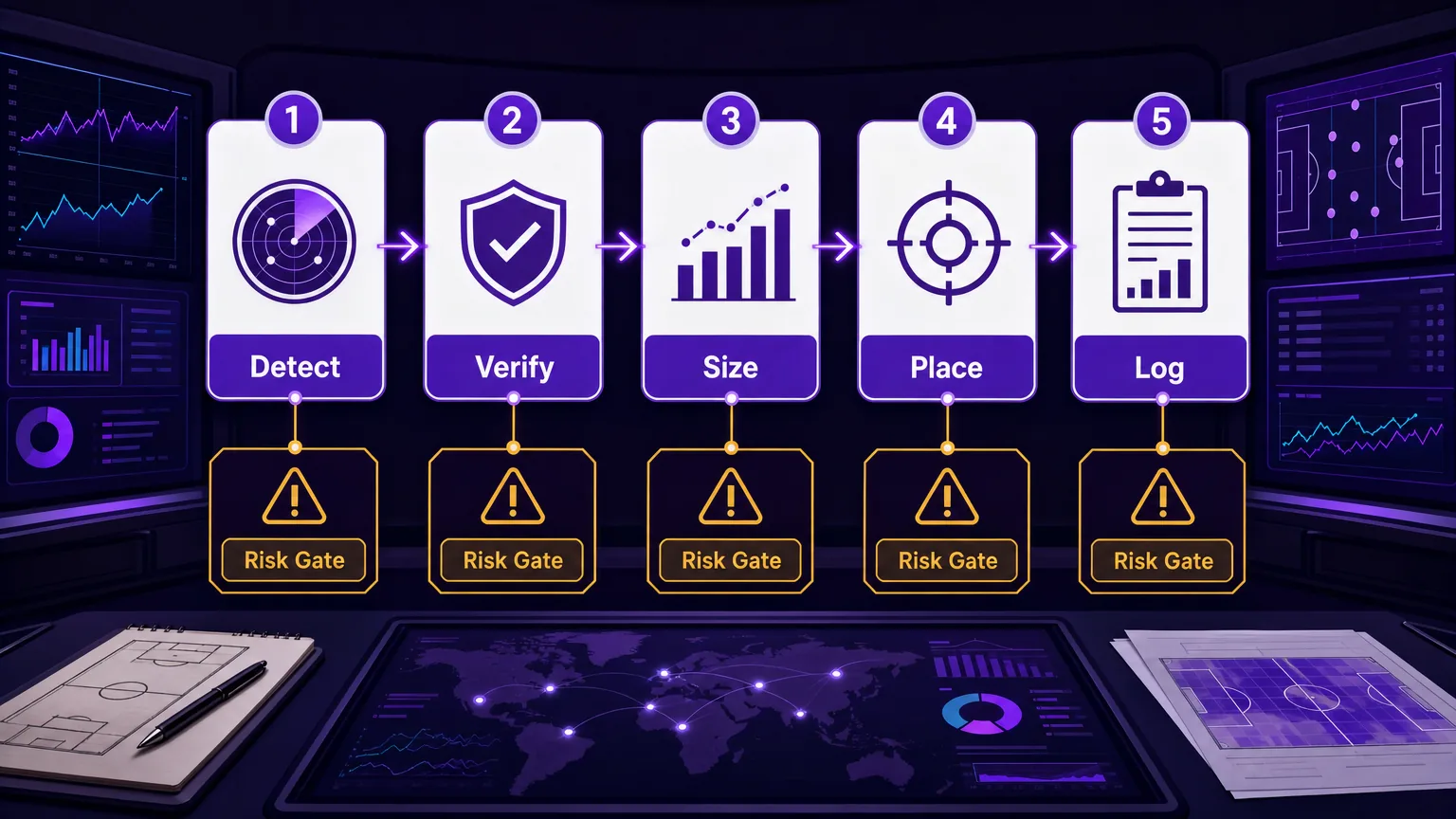
Scanner execution queue infographic showing why arbitrage detection is not the same as placing a bet

Linked guide

Scanner execution queue

Follow the queue from scanner alert to verification, sizing, placement, and logging.

Read the Arbitrage Pro V2 review
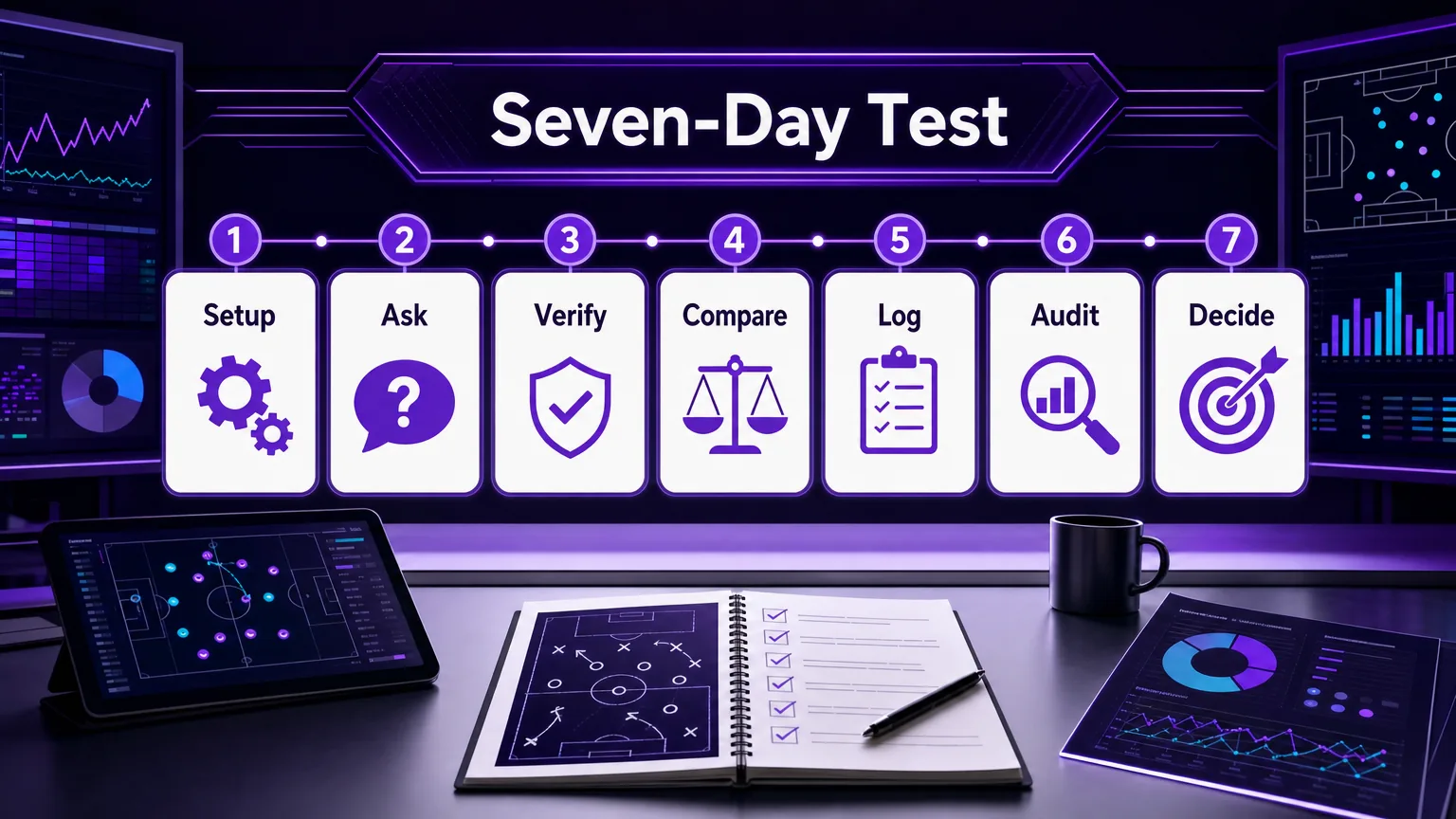
Seven-day Monster Bet renewal checklist calendar infographic

Linked guide

Seven-day renewal calendar

Use the seven-day test before renewing: setup, ask, verify, compare, log, audit, then decide.

Review the weekly pricing test
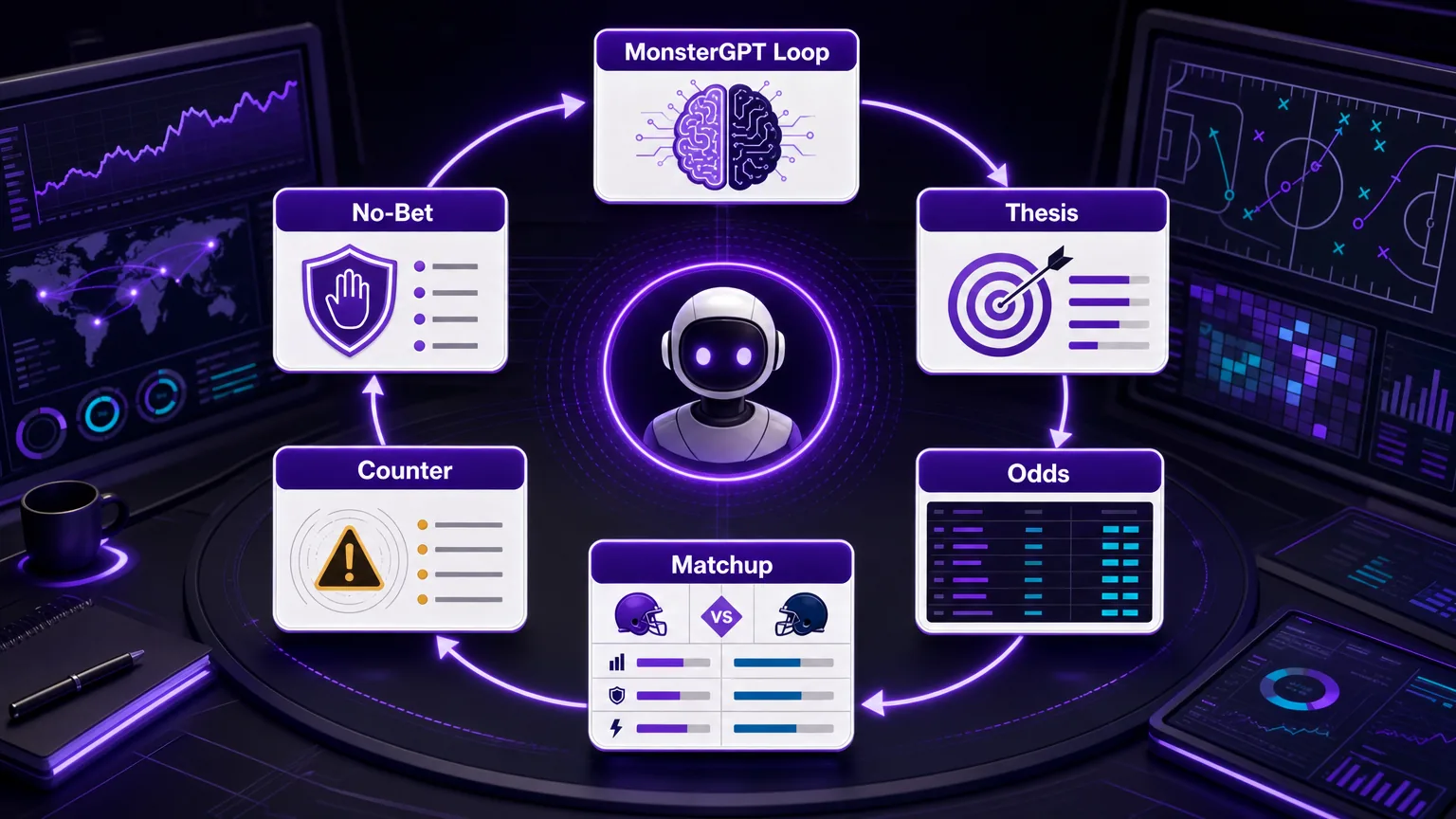
MonsterGPT question loop infographic for sports betting research prompts

Linked guide

MonsterGPT question loop

Turn MonsterGPT into a structured research loop instead of asking it for unsupported picks.

Use better MonsterGPT prompts
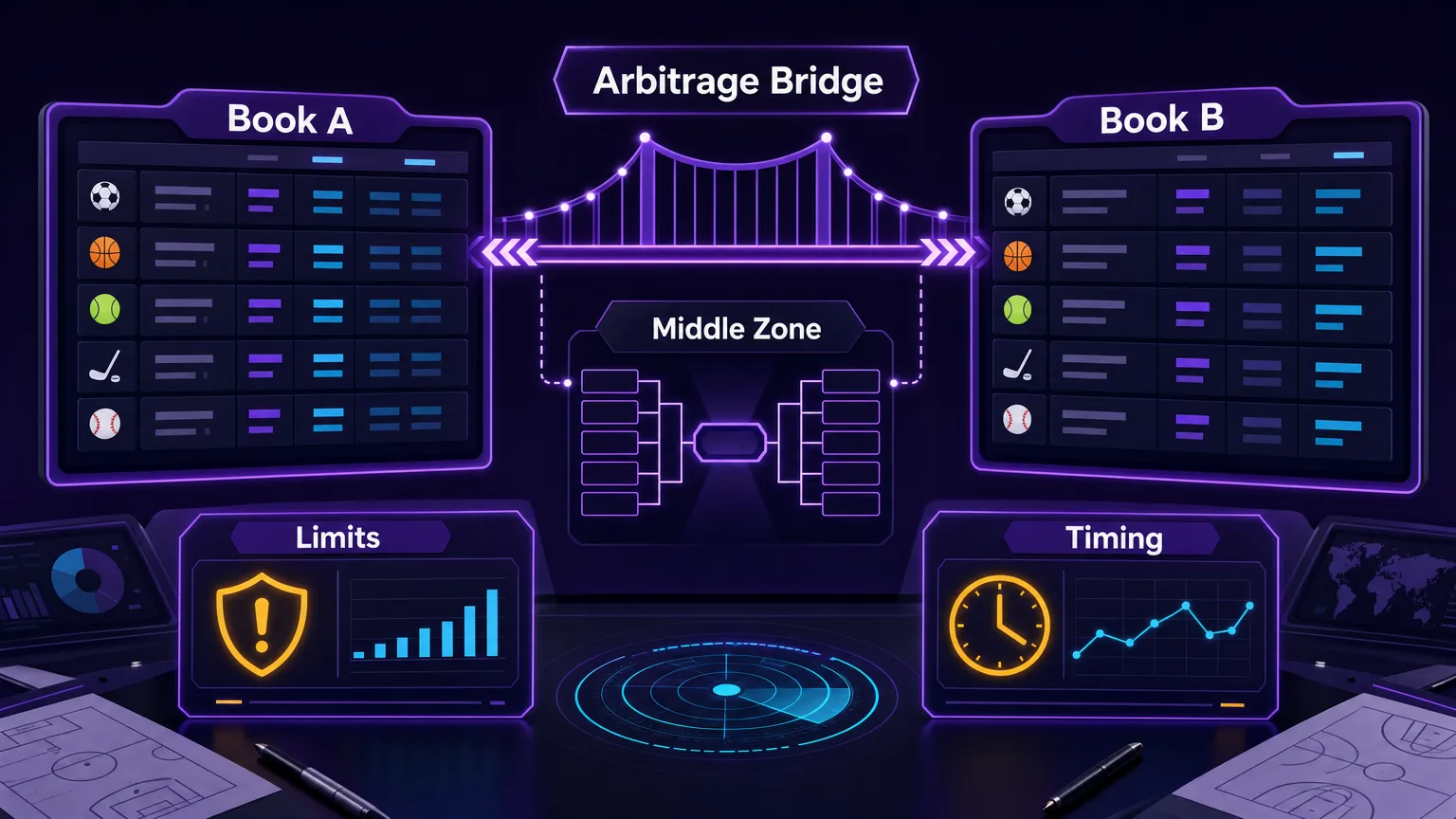
Arbitrage and middles bridge infographic for Arbitrage Pro V2 buyers

Linked guide

Arbitrage middle bridge

See why arbitrage and middles depend on timing, limits, stake sizing, and both sides of the market.

Understand arbs and middles
Monster Pro full-stack command center infographic showing all product lanes

Linked guide

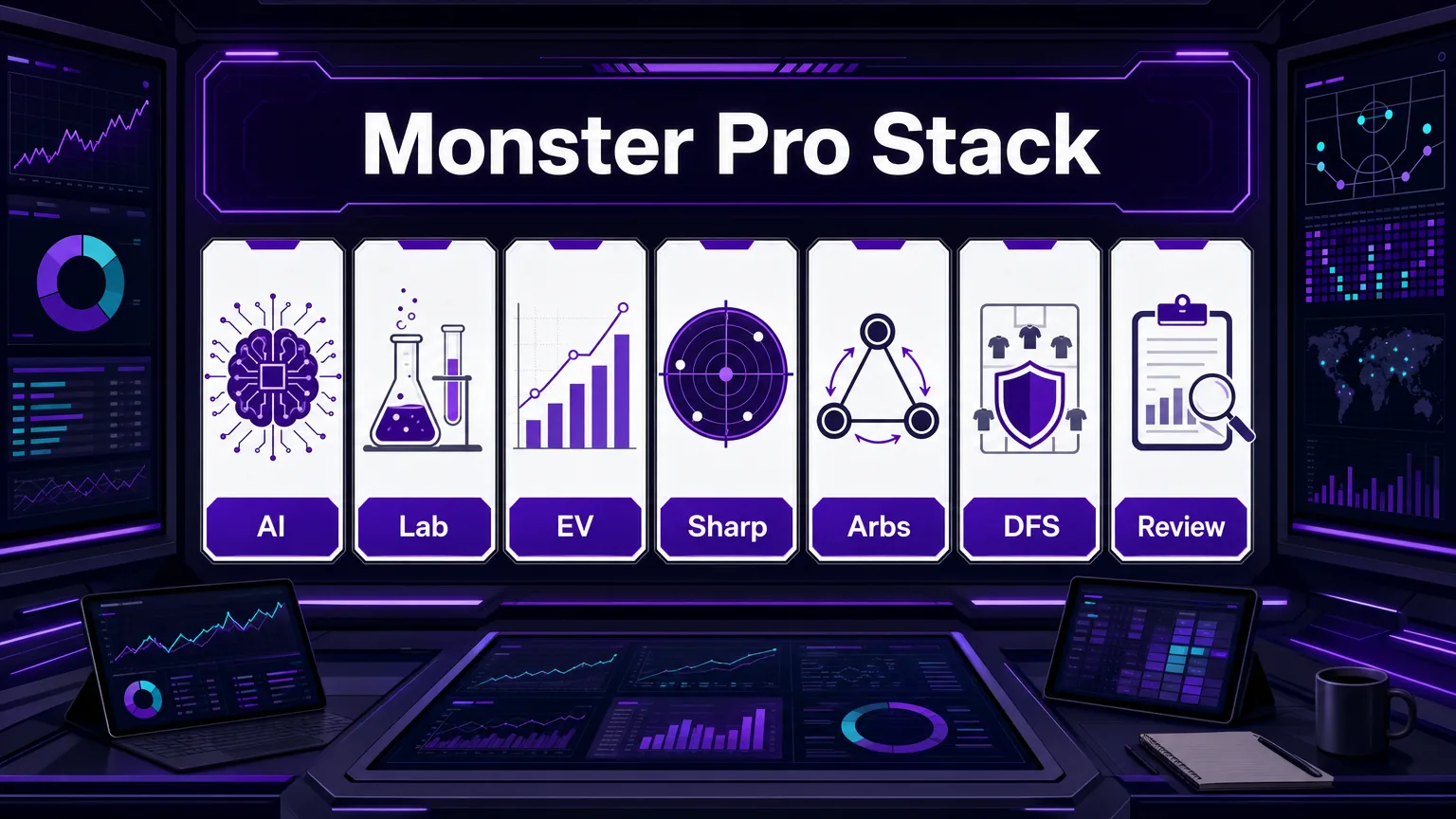
Monster Pro stack map

Check whether the full stack is useful for you or whether it is more tool access than you will use.

Read the Monster Pro review
Monster Bet buyer fit scorecard infographic for deciding which plan to inspect

Linked guide

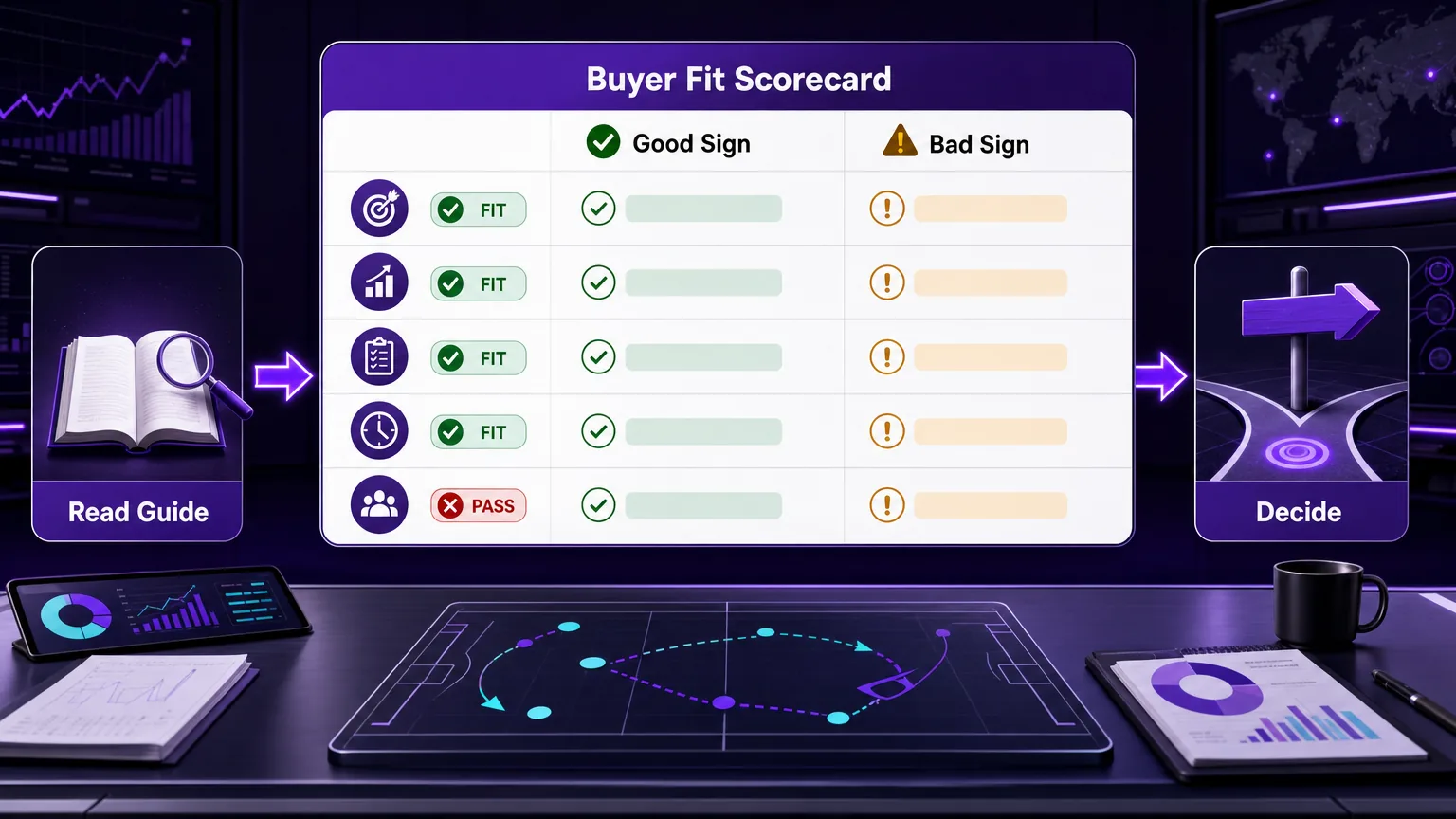
Buyer fit scorecard

Score the buying decision by usage, risk, workflow maturity, and the next guide you need.

Compare the plans by fit
Risk ownership meter infographic for Monster Bet sports betting tools

Linked guide

Risk ownership meter

Understand what the tool can assist with and what still belongs to the bettor.

Read the risk filter guide
No-bet gate infographic showing Monster Bet buyer decision paths

Linked guide

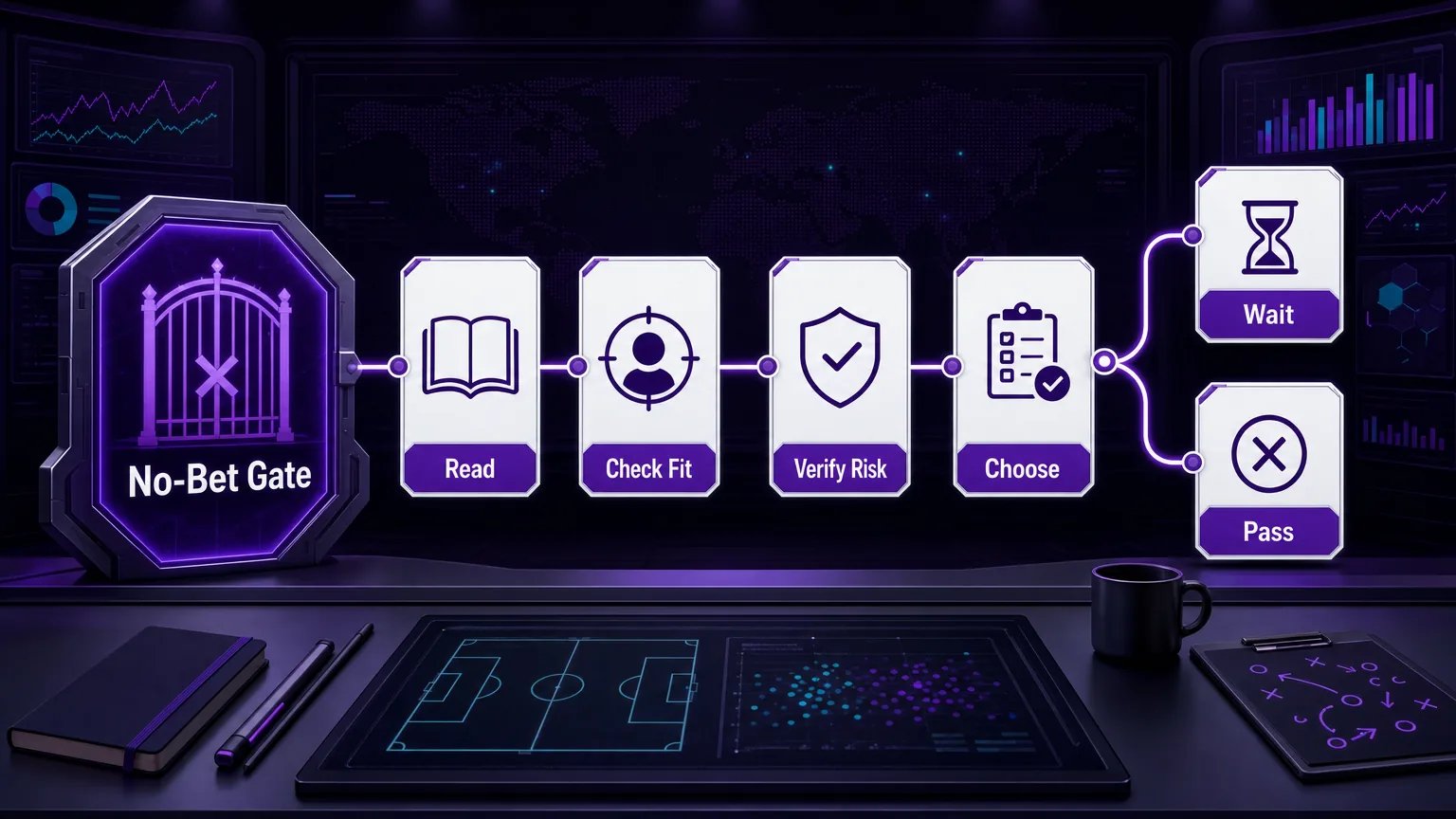
No-bet gate

A good buying decision can be yes, no, later, smaller plan, or read the guide first.

Use the no-bet gate
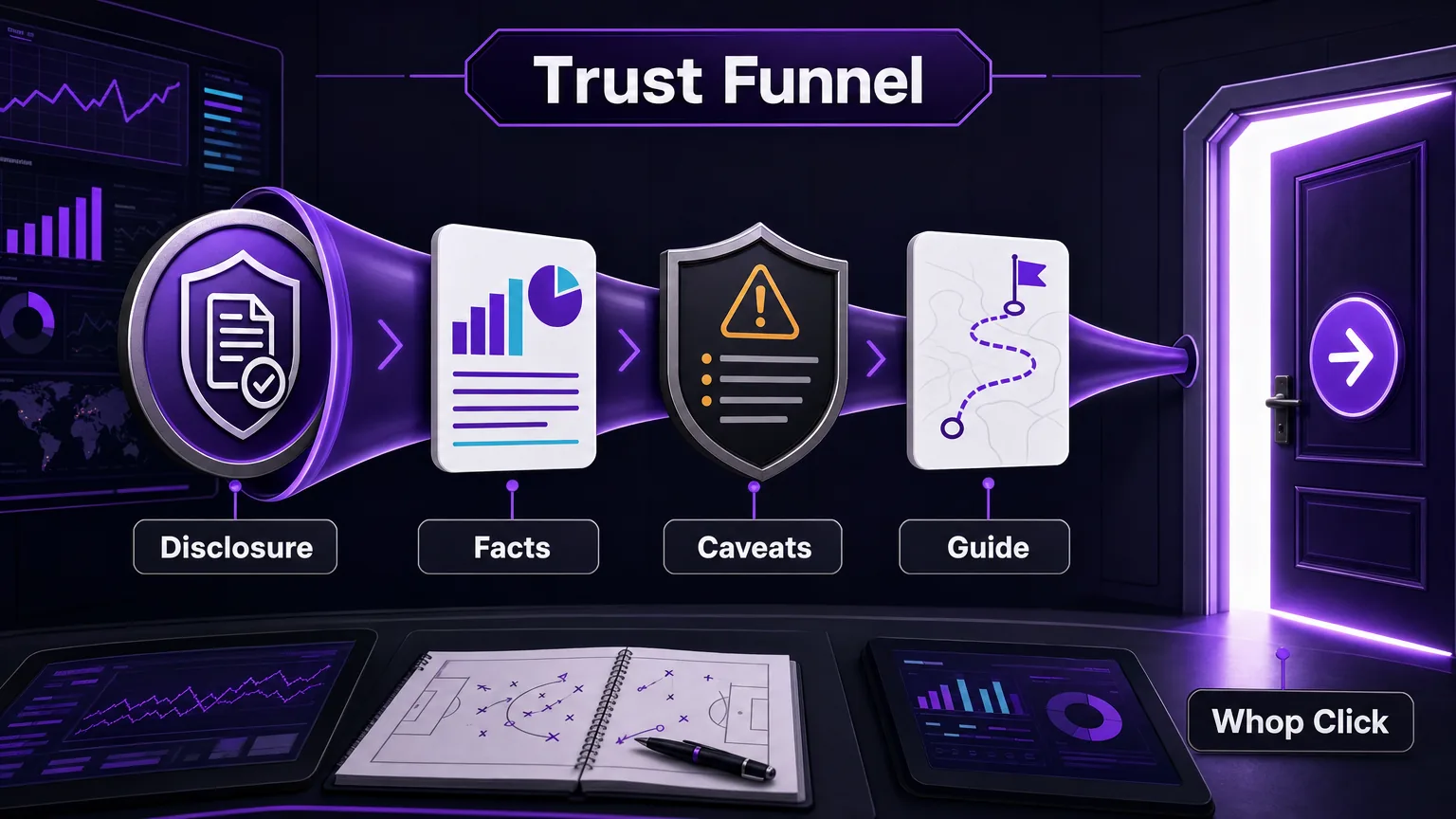
Affiliate trust funnel infographic for a reader-first Monster Bet landing page

Linked guide

Affiliate trust funnel

See how disclosure, facts, caveats, and guide routing protect the reader before an affiliate click.

Read how this site works
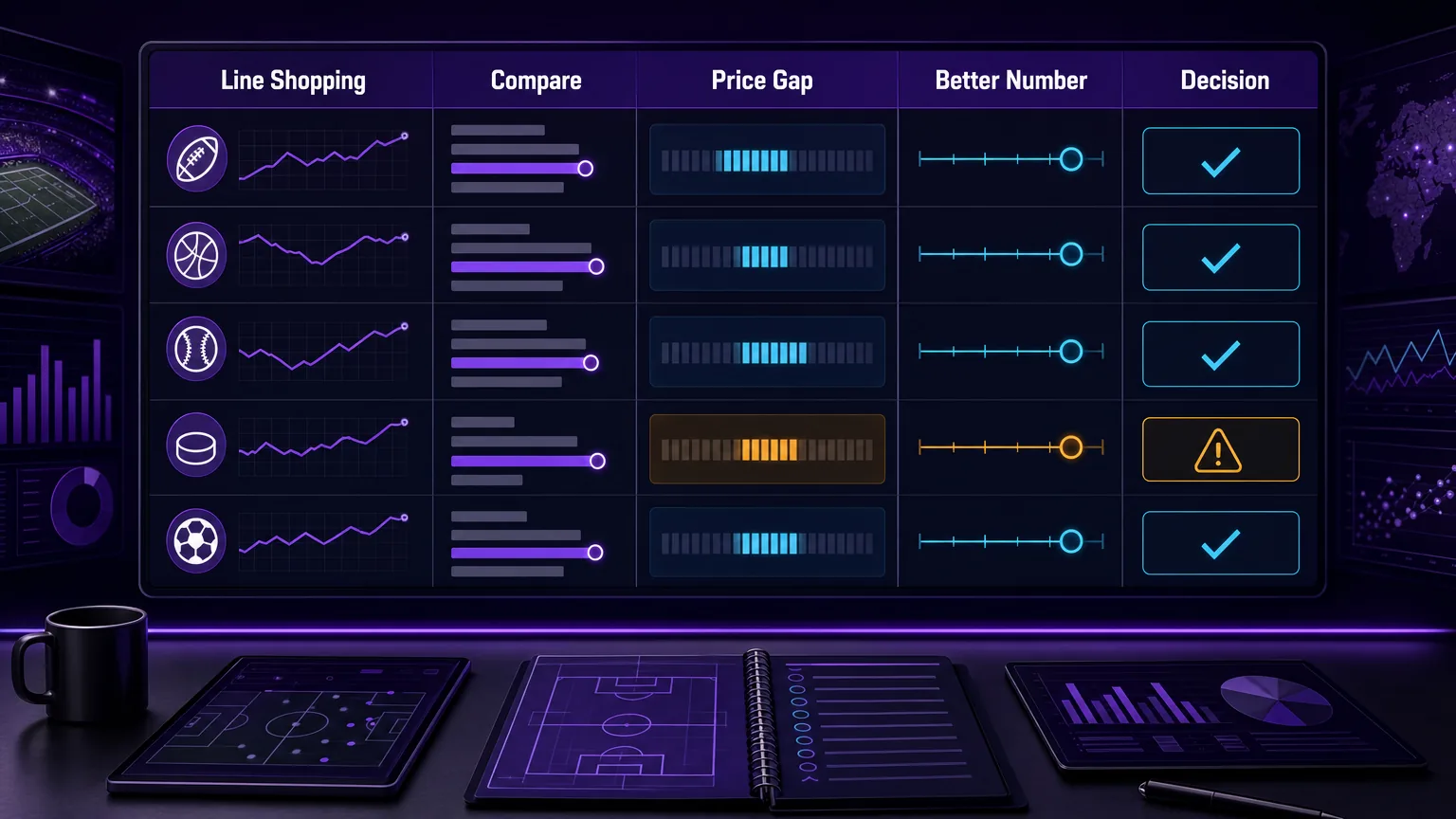
Sportsbook line shopping infographic showing why one number can change a betting decision

Linked guide

Sportsbook line shopping board

See why one better number can change the quality of a betting decision.

Learn line shopping
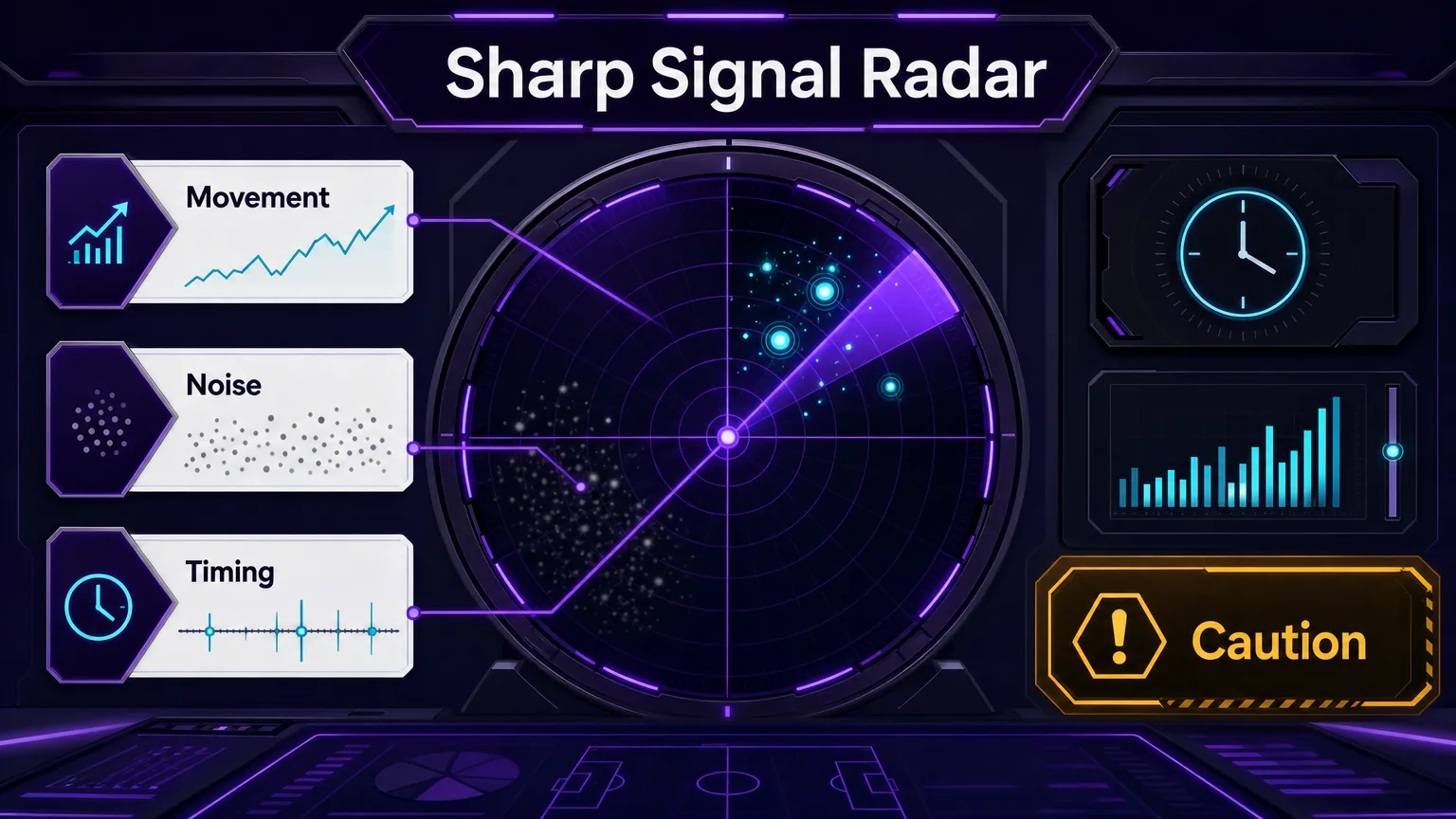
Sharp money scanner radar infographic with caution and market movement signals

Linked guide

Sharp money signal radar

Use market movement signals carefully instead of treating every movement as certainty.

Read the sharp-money guide
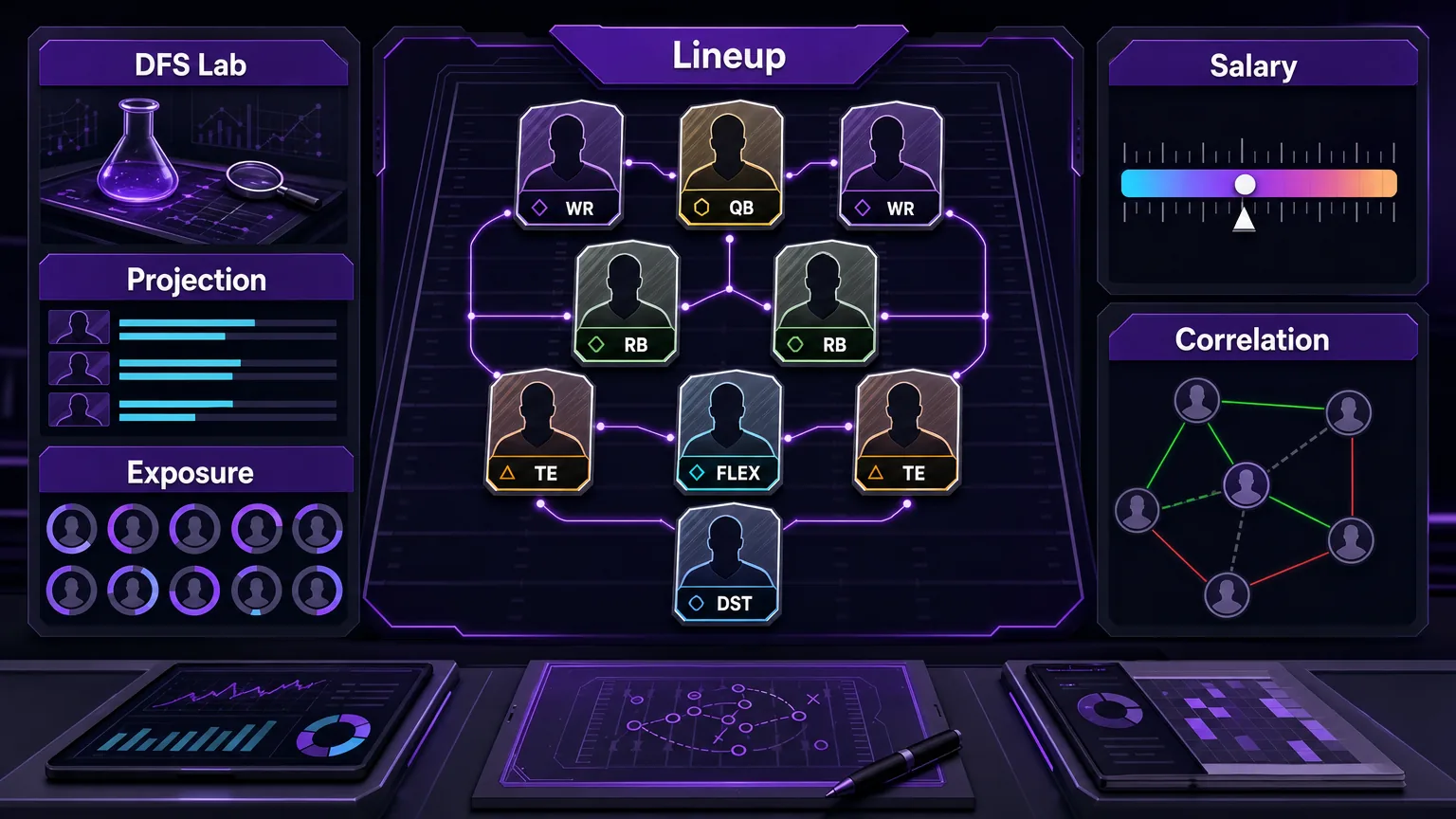
DFS optimizer lab infographic showing lineup construction as a research workflow

Linked guide

DFS lab lineup grid

See DFS research as projection, exposure, salary, correlation, and lineup construction.

Read the DFS optimizer guide

How to read these

Use the visuals as a filter, not as proof of results.

A map can clarify the buying decision, but it cannot prove a betting outcome. The images below are here to make the workflow easier to understand: choose the lane, inspect the risk, read the deeper guide, then decide whether the plan is worth testing this week.

Choose by job

Each plan has to win one job clearly before it deserves the click.

The page does not ask which product sounds strongest. It asks which workflow is real enough to use this week. That question filters out weak buyers, weak claims, and weak renewals.

$27/week

MonsterGPT

Problem

Messy prop research and scattered questions.

Mechanism

Question loop: thesis, projection, odds context, matchup check, counterargument, no-bet option.

Risk left with you

Confident AI language can feel like proof when it is only an answer.

Check MonsterGPT on Whop
$34/week

Arbitrage Pro V2

Problem

Finding arbs and middles across multiple books.

Mechanism

Scanner loop: detect, verify both sides, size stakes, check limits, place, log.

Risk left with you

A detected opportunity is not a completed trade; lines move and accounts get limited.

Check Arbitrage Pro V2 on Whop
$90/week

Monster Pro

Problem

+EV, sharp money, DFS, AI, lab, and scanner work in one week.

Mechanism

Operating loop: scan, compare, ask, verify, build, size, record, review.

Risk left with you

The full stack is the easiest place to pay for tools you do not open.

Check Monster Pro on Whop

Infographic 2

A scanner highlight is not a bet. It is a checkpoint entering a queue.

This is the clearest place where visual explanation matters. The risky mental model is a straight line: scanner finds opportunity, bettor profits. The useful model is a five-step queue with failure points.

1

Detect

A scanner highlights a possible opportunity. That is the start, not the finish.

2

Verify

Both sportsbook sides, odds, market rules, and timing need checking before the number moves.

3

Size

Stake split and bankroll exposure matter. Bad sizing can ruin a theoretically positive setup.

4

Place

Execution depends on account access, book limits, and speed. The tool cannot click responsibly for you.

5

Log

Record what happened so the next renewal is judged by usage, not excitement.

This is why the page refuses to repeat guaranteed-profit language as its own promise. Arbitrage can be structurally possible while still being operationally missed. A book can limit you. A price can move. A stake split can be wrong. A market rule can differ. The scanner can be valuable and still not remove the user's responsibility. That distinction protects trust and improves conversion quality because the people who click through understand what they are buying.

Infographic 3

The objection matrix turns doubt into routes.

A skeptical buyer should not have to guess where their concern is answered. The matrix names the thought, answers it without theatre, and sends them to the guide that handles the detail.

Objection in the buyer's head
Answer this page gives
Next route
I just want picks.
Then pause. This site is not framing Monster Bet as a magic pick machine. The useful buyer is trying to improve research, scanning, comparison, and decision discipline.
AI sounds convincing. How do I know it is not hallucinating?
Use MonsterGPT as a question engine, not a final authority. Force it through projections, game logs, odds, matchup context, and a counterargument prompt.
Arbitrage is supposed to be risk-free, right?
Vendor language can say risk-free. Real execution still has line movement, book limits, stake math, rule differences, and account friction.
If Monster Pro has everything, why not start there?
Because $90/week is a high renewal unless you will use multiple lanes immediately. The full stack is only better when the full stack gets used.
What if I am too early for any paid plan?
That is a valid result. Build the research checklist first. A paid tool should compress a workflow you already understand, not substitute for one.

Infographic 4

The seven-day renewal test is the page's risk reversal.

This site cannot offer a refund on Monster Bet because it does not own the product. What it can do is move the risk decision earlier. Before joining, the reader gets the exact questions they should use before the next weekly renewal.

This is the practical version of lowering time delay and effort. A reader can use the checklist before buying, during the first week, and before renewing. It turns "I hope this is useful" into "I know what would prove usefulness." That is a more honest conversion device than urgency. The urgency is already built into weekly billing.

1

Which Monster Bet plan did I open at least four days this week?

2

Which feature changed a specific bet from yes to no, no to yes, or pass to research-more?

3

Which article or checklist did I use before clicking an affiliate CTA?

4

Did the plan reduce time-to-decision, or did it create more tabs?

5

Did I log missed arbs, stale lines, bad prompts, or unused features?

6

Would I buy the same plan again tomorrow if the name were removed?

7

If the answer is no, should I downgrade, switch lanes, or stop paying?

Proof boundary

Specific facts raise trust. Unsupported outcome claims destroy it.

The page uses precision where it is supportable and restraint where it is not. That is the copy discipline the local writing system points toward: falsifiable details beat vague hype, but aggressive claims need a plausibility ceiling.

Claims this page can make

  • MonsterGPT was observed at $27/week.
  • Arbitrage Pro V2 was observed at $34/week.
  • Monster Pro was observed at $90/week.
  • The researched Whop pages showed a 4.4 rating from 45 reviews.
  • Arbitrage Pro V2 showed 62 members at research time.
  • The products are positioned around AI research, lab access, arbitrage/middles, +EV, sharp money, and DFS tools.

Claims this page will not make

  • That a reader will profit.
  • That a scanner removes all execution risk.
  • That AI projections guarantee a bet.
  • That public reviews prove the reader's outcome.
  • That Monster Pro is automatically better because it costs more.
  • That vendor wording about guaranteed opportunities is our own guarantee.

Infographic 5

How the visuals should make the buyer smarter before the click.

The goal is not to make a long purple page for its own sake. The goal is to turn a complex buying decision into a sequence the reader can hold in their head.

A

Do not list tools. Externalize the decision.

A betting-tool landing page has a dangerous temptation: show the dashboard, list the tools, repeat the price, and ask for the click. That works only on buyers who already know exactly what they need. The harder reader needs a different route: one lane for AI-assisted research, one lane for arbitrage and middles execution, and one lane for the complete operating stack.

B

Make the hidden structure visible.

Once the lanes are visible, the buyer can stop asking, "Which plan is best?" and start asking, "Which lane matches the bet I am trying to make better this week?" The value-equation strip, plan-fork diagram, scanner queue, objection matrix, and renewal checklist all reduce the decision into a shape the reader can hold.

C

Use no as a trust signal.

The strongest visual on a page like this is often the one that says no. A no-bet gate, a skip-if box, a renewal checkpoint, or a proof boundary can convert better than another glossy feature card because it lowers suspicion and closes the wrong doors quickly.

D

Make purple feel like a strategy room.

The dark violet background gives the page a focused, high-contrast research-room feel without leaning on green sportsbook cliche. White cards create decision surfaces. Violet panels create depth. The design should feel like a strategy board, not a casino screen.

Component reading order

01

Identify the pressure

The hero names the expensive mistake: paying for the plan that sounds impressive instead of the plan the workflow can prove.

02

Split the product

The lane map separates MonsterGPT, Arbitrage Pro V2, and Monster Pro before price or CTA pressure can blur them together.

03

Break the false beliefs

The page attacks feature fog, AI confidence, scanner certainty, and broad-stack overbuying with specific caveats.

04

Route the objection

The objection table turns doubt into a next article, which keeps skeptical readers moving instead of bouncing.

05

Make renewal measurable

The seven-day checklist lets the buyer judge the subscription by usage and decision quality, not by how exciting the tool looked on day one.

06

Click with boundaries

The final CTA appears after risk, fit, proof, and workflow have been explained. That makes the click more informed and less impulsive.

If the reader is new

They should leave with a simple model: MonsterGPT helps ask and check better questions, Arbitrage Pro V2 helps detect execution-heavy arbs and middles, and Monster Pro combines multiple research lanes for people who will actually operate the whole stack.

If the reader is experienced

They should notice that the page respects execution risk. It does not treat odds movement, stake sizing, book limits, DFS construction, or sharp-money interpretation as solved merely because a tool exists.

If the reader is skeptical

They should see enough restraint to keep reading: no fake proof, no invented testimonials, no guaranteed outcomes, no pretending the affiliate link is neutral, and no hiding the fact that weekly pricing has to earn itself fast.

SEO edge

Explain the buying decision better than the vendor can.

A thin affiliate page fails because it only repeats the product page. This page adds decision value: compare, qualify, warn, route, and prepare the reader before the affiliate click.

Story arc

Feature fog turns into buyer agency.

The reader starts confused, sees three lanes, learns each lane has a failure mode, separates public proof from personal outcome proof, and leaves knowing that yes, no, later, smaller plan, different plan, or read-first can all be valid.

Length logic

Long is justified when it carries more decisions.

The page gives the reader an offer frame, proof frame, story frame, workflow frame, execution frame, objection frame, renewal frame, and guide-routing frame. Those are lenses, not repetitions.

Research library

The long page gives the map. The guides do the deep work.

A landing page should not try to answer every detail in one wall of text. Its job is to create the right next click. The article cluster handles the specialized questions: prompts, pricing, +EV, sharp money, DFS, middles, line shopping, and data-lab use.